Cayman Window Tint: Top Spot for  Window Tint & Vehicle Protection

PROUD CERTIFIED XPEL INSTALLERS

Window Tint and Paint Protection by Cayman Island’s Finest!

Do you need extra privacy for your vehicle, residence, or commercial  building? Do you suffer from excessive heat from those harmful ultraviolet rays the Cayman Islands sun releases? Is your current window tint film unimpressive or degrading? The leading window tint experts at Cayman Window Tinting can help! We offer window tinting packages for vehicles driven on roads, boats sailed on water, and both residential and commercial properties in and around the Cayman Islands.


CAYMAN ISLANDS window TINT & CERAMIC COATING


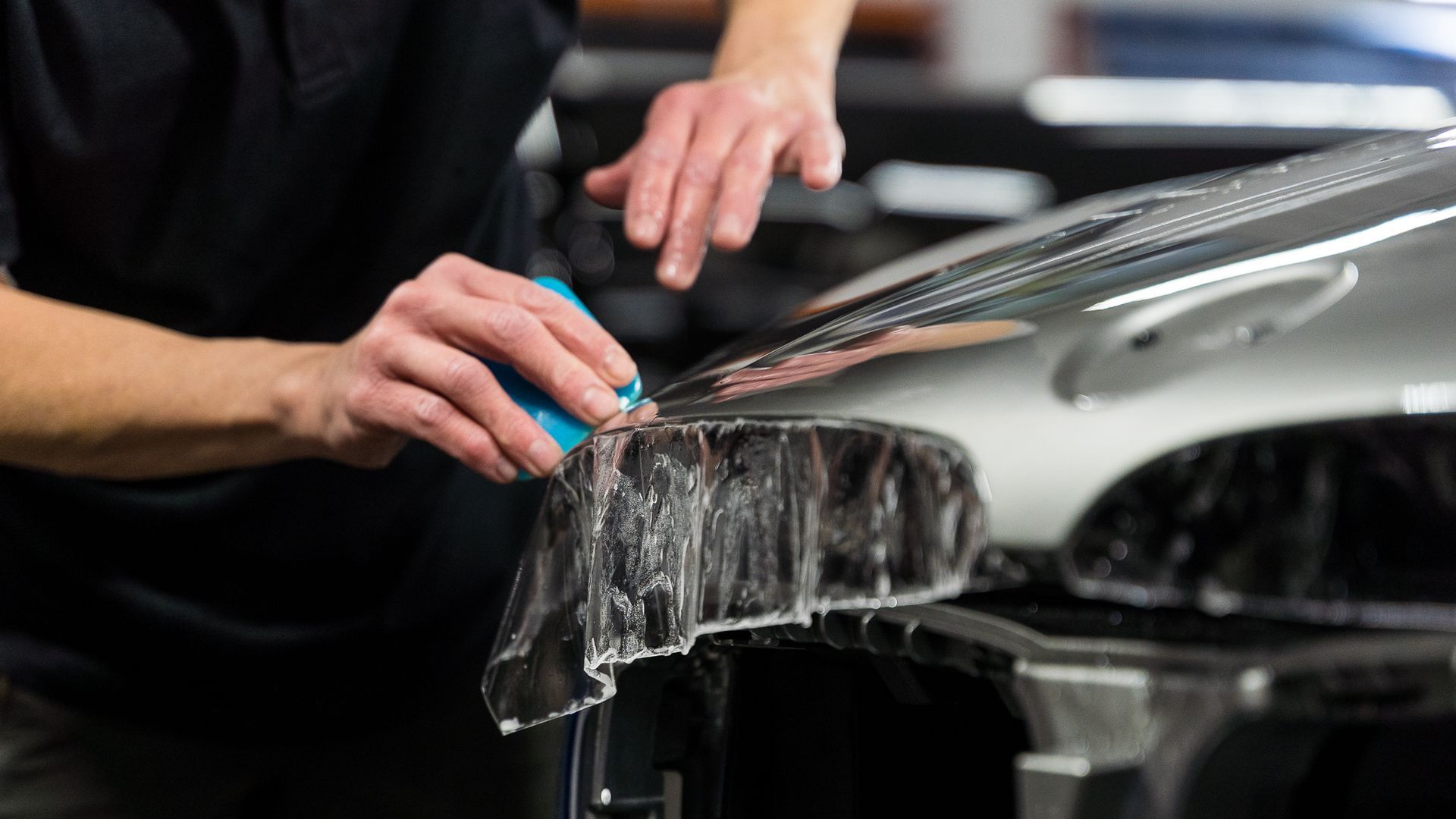
While window tint film installation is certainly our expertise, our vehicle care services run far deeper than just window tinting! We also have comprehensive packages including XPEL Paint Protection Film installation, professional-grade vinyl wrapping, and ultra-hydrophobic ceramic coatings for those vehicles that need some extra surface security, gloss enhancement, and easy care. This passion and dedication to our clientele has made us the leading window tint and automotive experts in the Cayman Islands.
CALL US TODAY FOR AN IMMEDIATE QUOTE
Cayman Window Tinting

marine, automotive & building window tint

Diverse Tinting Needs of Boats and Properties

Privacy and protection from the Cayman Islands sun is not just for road vehicles. You may be enjoying a beautiful day on the water, but the prolonged exposure to harmful UV rays can heat up the interior of your boat’s cabin or even damage it. You may have air conditioning that keeps your home and office cool, but you do not want any passerby peering in through the window. When it comes to enhanced privacy and ultraviolet ray resistance, the professional window tinting staff is here to help!

All Aspects of Window Tinting Are Beneficial

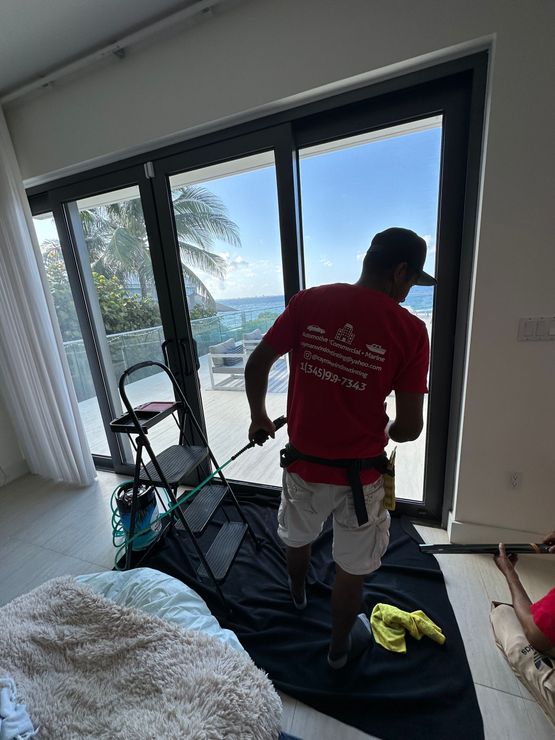
Cayman Window Tinting provides professional-grade window tint film packages to all types of boats that need it. Additionally, we tint the windows of residences and commercial buildings for durable reflectiveness and darkness. No matter which option you choose, we operate on the mission of fulfilling all Cayman Islands residents’ window tinting services that accomplish the goal of privacy enhancement, temperature control, and aesthetic appeal.

Our Knowledge Meets Installation Integrity!

We want to serve you all the BEST aspects of the window tint installation industry has to offer with superior precision and high quality customer service. Our staff is highly trained and experienced on all types of window tinting for vehicles, boats, or residential and commercial properties. We are always available for a FREE consultation. Remember: We also offer ceramic coatings and PPF installation for vehicles as well.

Follow Cayman Window Tinting on Social Media

FAQs

  • 1. What does window tint actually do in a tropical climate like the Cayman Islands?

    In a tropical climate like the Cayman Islands, window tint acts as a heat and UV control system, not just a cosmetic upgrade. The intense year-round sun produces high levels of infrared heat and ultraviolet radiation, which untreated glass allows to pass through almost freely.


    Automotive and architectural window tint works by blocking UV rays, rejecting infrared heat, and reducing solar energy transmission before it enters the vehicle or building. This helps keep interiors significantly cooler, protects skin from UV exposure, and prevents interior materials, like leather, dashboards, and trim, from fading or cracking.


    In the Cayman Islands specifically, window tint also helps manage:


    • Constant sun exposure (not seasonal)
    • High humidity and salt air
    • Increased air-conditioning usage and energy costs

    High-quality window tint is designed for tropical performance, meaning it delivers measurable comfort improvements every day, not just during peak heat hours.

  • 2. Does window tint really lower indoor temperatures or just reduce glare?

    Window tint does both, but high-quality films, especially ceramic and nano-ceramic options, are designed primarily to reduce heat, not just glare.


    While basic or dyed tints mainly darken glass to reduce brightness, advanced window tint films actively reject infrared heat, which is the primary contributor to rising interior temperatures. This means less heat enters the vehicle or building in the first place, rather than simply masking sunlight.


    In real-world Cayman conditions, properly installed window tint can:


    • Lower interior temperatures by several degrees
    • Reduce AC workload
    • Improve comfort during driving or parking
    • Maintain clear outward visibility

    So while glare reduction is a benefit, heat rejection is the real performance advantage, especially in tropical climates.


  • 3. How much UV exposure do car and home windows allow without tint?

    Without window tint, most automotive and residential glass allows up to 99% of ultraviolet (UV) rays to pass through. Even factory automotive glass provides only minimal UV protection, and it does not block infrared heat.


    This level of exposure can lead to:


    • Increased risk of skin damage during driving
    • Premature fading of interiors
    • Cracking of leather, vinyl, and plastic surfaces
    • Higher interior temperatures

    High-quality window tint blocks up to 99% of UV rays, creating a protective barrier between occupants and constant sun exposure. In the Cayman Islands, where UV levels remain high year-round, this protection is especially important for long-term comfort and health.


  • 4. How long does window tint typically last in coastal environments?

    In coastal environments like the Cayman Islands, the lifespan of window tint depends heavily on film quality and installation expertise.


    Low-quality films often degrade quickly due to:


    • Salt air
    • Constant UV exposure
    • High humidity

    Premium window tint films, when professionally installed, can last 7 to 10+ years, even in harsh coastal conditions. These films are engineered to resist fading, bubbling, peeling, and discoloration caused by sun and moisture.


    Choosing a certified installer ensures:


    • Proper surface preparation
    • Correct curing methods
    • Warranty-backed longevity

    In tropical coastal climates, installation quality matters just as much as the film itself.


  • 5. What makes Cayman Window Tinting different from other tint shops in the Cayman Islands?

    Cayman Window Tinting stands out by combining certified installation, premium materials, and local climate expertise. Rather than offering one-size-fits-all solutions, services are tailored specifically for Cayman’s heat, humidity, and coastal conditions.


    Key differentiators include:


    • XPEL-certified installation standards
    • Experience with luxury, performance, and daily-driven vehicles
    • Climate-specific film recommendations
    • Precision workmanship and long-term warranties

    This approach ensures that customers receive performance-driven solutions, not just darker glass.

  • 6. Why should I choose an XPEL-certified installer?

    Choosing an XPEL-certified installer means your window tint or paint protection film is applied according to strict manufacturer standards. Certification ensures proper handling, cutting, application, and curing of advanced films.


    Benefits include:


    • Access to manufacturer-backed warranties
    • Consistent installation quality
    • Maximum film performance and lifespan
    • Reduced risk of defects or premature failure

    In high-sun regions like the Cayman Islands, certified installation is critical to achieving long-term results.


  • 7. What is the primary difference between ceramic tint and regular dyed tint for cars?

    The primary difference lies in performance and longevity. 


    Dyed window tint mainly darkens glass to reduce brightness. It offers limited heat rejection and tends to fade over time, especially in tropical climates.


    Ceramic window tint, on the other hand:


    • Rejects infrared heat efficiently
    • Blocks UV rays without relying on darkness
    • Maintains clear visibility
    • Does not interfere with electronics or signals
    • Lasts significantly longer in coastal environments

    For Cayman drivers, ceramic tint provides real thermal comfort, not just visual shading.

  • 8. Why should I choose XPEL VISION Film over other window tint brands for my Cayman home?

    XPEL VISION Film is engineered for high-performance solar control, making it ideal for tropical environments like the Cayman Islands. Unlike basic films, XPEL VISION combines advanced heat rejection, UV protection, and optical clarity.


    Key benefits include:


    • Superior infrared heat rejection
    • Up to 99% UV blocking
    • Reduced cooling costs
    • Minimal reflectivity with modern aesthetics
    • Manufacturer-backed warranties

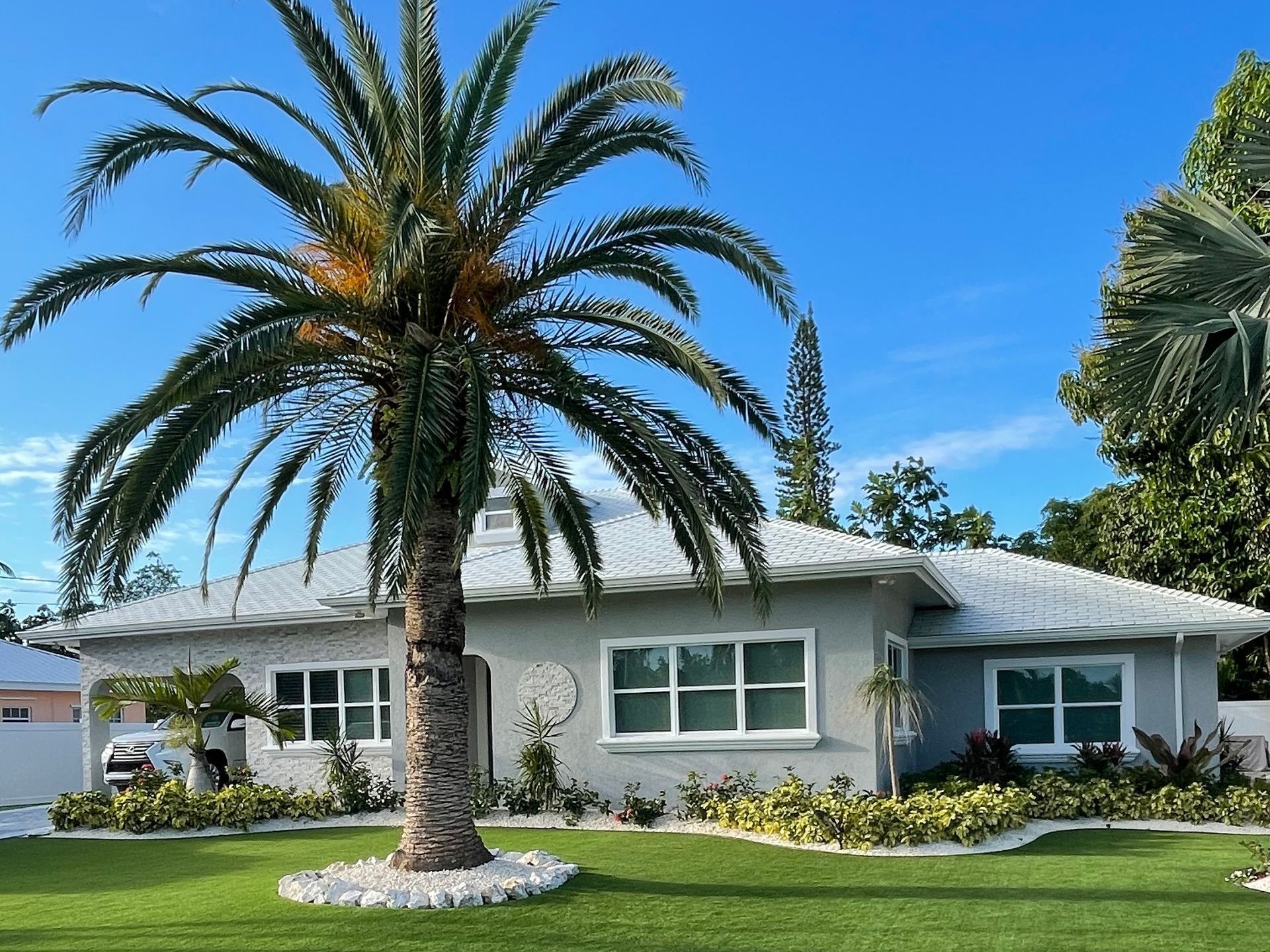
    For Cayman homes exposed to constant sunlight, XPEL VISION offers long-term comfort and energy efficiency, not just surface-level tinting.

  • 9. Can Cayman Window Tinting apply PPF (Paint Protection Film) to just the high-impact areas of my car?

    Yes. Cayman Window Tinting offers partial Paint Protection Film (PPF) 

    coverage for high-impact areas such as:


    • Front bumpers
    • Hood edges
    • Side mirrors
    • Door cups
    • Rocker panels

    This approach is ideal for drivers who want targeted protection against stone chips, road debris, and sand without full-vehicle coverage.


    In island environments, where road debris and salt exposure are common, partial PPF provides cost-effective, high-value protection while preserving paint quality.


  • 10. How does salt air affect vehicle window tint?

    Salt air accelerates wear on low-quality window tint by breaking down adhesives and film layers. Over time, this can lead to bubbling, peeling, or discoloration.


    Premium window tint films are designed to withstand:

    • Humidity
    • Salt exposure
    • Constant UV radiation

    When installed correctly by professionals familiar with coastal conditions, high-quality tint remains clear, durable, and effective for years.


    This is why film selection and installation expertise are critical in coastal regions like the Cayman Islands.

Still have a question?